Surrounding Areas
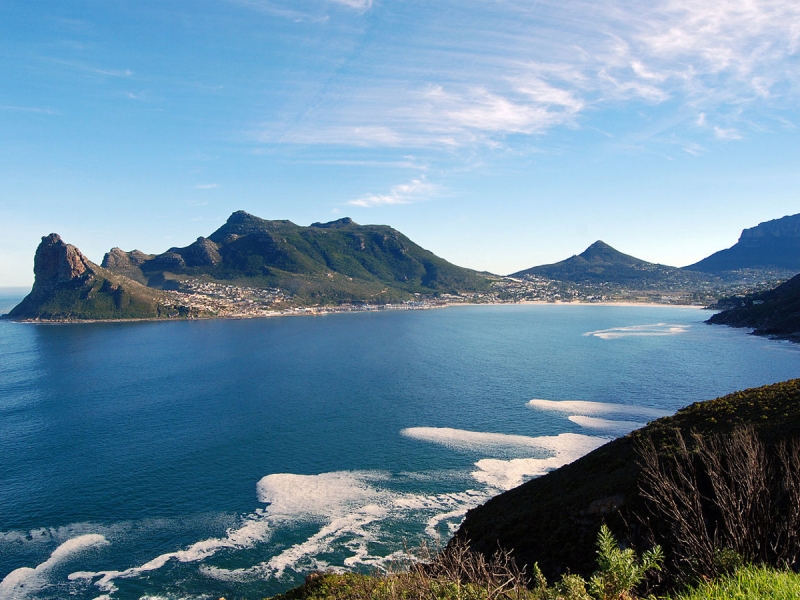
The village-like area surrounding Chapman’s Peak Drive is a visual feast. From Hout Bay all the way down to the Cape Peninsula National Park, visitors will encounter magnificent views of hidden valleys, isolated landscapes, steep cliffs and a restless ocean. Chapman’s Peak Drive lies to the west of the Cape Peninsula mountain chain which stretches 50km southwards from Table Mountain, Devil’s Peak and Lion’s Head to Cape Point.
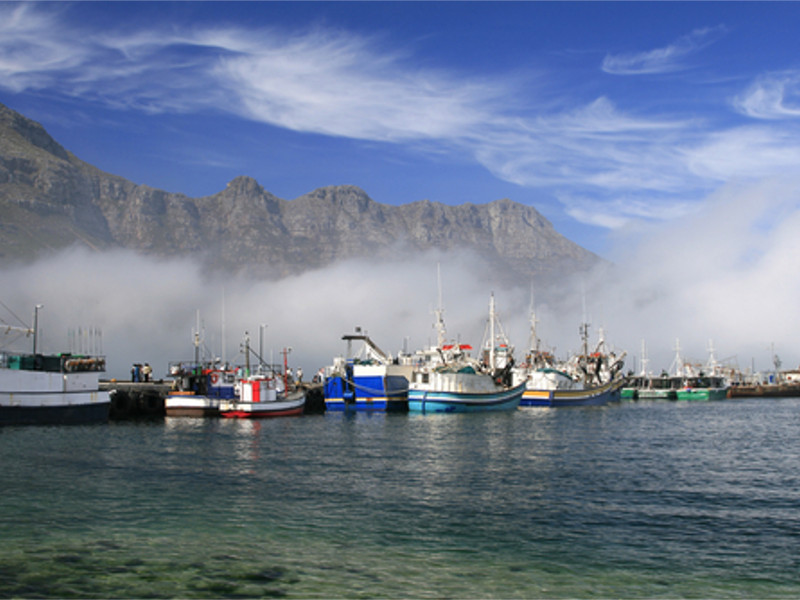
Hout Bay, on the northern side of Chapman's Peak Drive, is a twenty-minute drive from Cape Town. Surrounded entirely by mountains and the Atlantic Ocean. Hout Bay offers some 40 restaurants, a wide array of antique and art shops, stalls, a waterfront that is both quaint and commercial, weekend markets and accommodation to suit every pocket and taste.
Hout Bay boasts one of the most active fishing harbours in South Africa. Housed within the harbour are the yacht and power-boat marinas - both popular and convenient stopovers for craft from all parts of the globe. The Bay itself is probably one of the safest sailing venues anywhere, and is also ideal at most times for water sports of all kinds. The mountains surrounding the valley provide hiking routes with breathtaking views. The wetlands around the Disa River support an abundance of bird life.
Noordhoek, at the southern end of Chapman's Peak Drive, is a vibrant rural and artistic community village just 25 minutes south of Cape Town – the last remaining truly rural area and country village in the Cape Peninsula. Noordhoek offers a tranquil country lifestyle combined with a colourful village atmosphere.
Horse-riding on Noordhoek Beach is one of the most popular activities in Noordhoek and Noordhoek Farm Village is one of the main centres in the town for accommodation, dining, shopping and entertainment. The Red Herring Trading Post is another popular shopping and eating centre.
Vineyards and vegetable farming are returning to Noordhoek. Indigenous Cape Fynbos - including groves of scarce Milkwood and Yellowwood trees - cover the slopes of surrounding mountains and stretch down to the coastal plain and wetlands area.
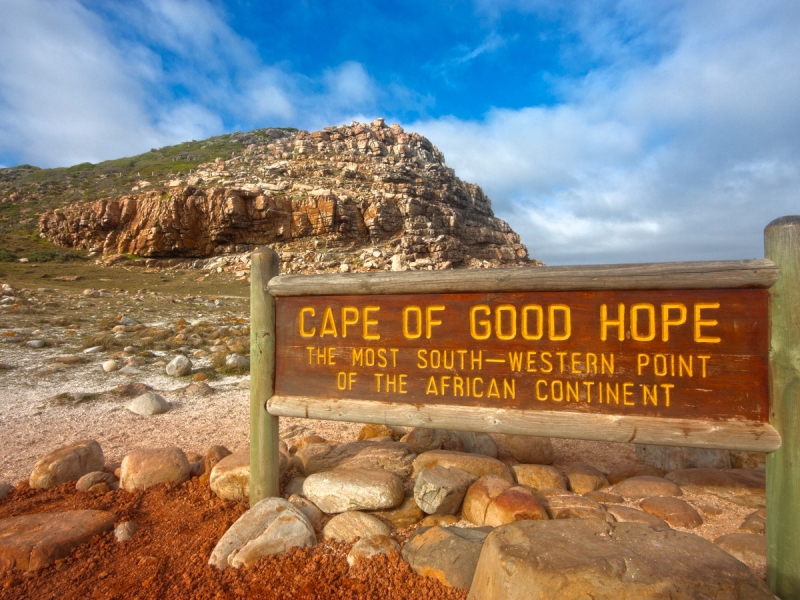
Cape Point Nature Reserve, also referred to as the Cape of Storms or the Cape of Good Hope, at the south-western tip of Africa, is a world-famous nature reserve which is bound by the cold waters of the Atlantic in the west and the warm waters of False Bay in the east. The park is part of Table Mountain National Park and offers unique fauna and flora, scenic splendour and an intriguing history.
Here, visitors will encounter one of the highest sea cliffs in the world, several hiking routes, various animals (Cape Mountain Zebra, baboons, a variety of buck, and ostrich) and an abundance of bird life (including sea birds). The trip to the promontory with its spectacular views over False Bay can be undertaken on foot or by funicular. Visitors can also spend time at the information centre, several seaside picnic spots, tidal pools, the restaurant or curio shops.
Cape Point Route: An area of natural beauty, interesting sea side villages with heaps of activities and attractions is an essential part of a visit to Cape Town. Many visitors do a day tour around the peninsula and wish they had spent longer exploring the region. |